Choosing a board game starts with the people who will play it, not the game. How many players, how old they are, how long they want to play and how much they enjoy learning rules decide more than theme or artwork. A game that suits a group of keen adults can fall flat at a family table, and the reverse.
The box tells you most of what you need: player count, minimum age and playing time. Use them as a guide, then think about complexity. If the group is new to modern board games, choose something that can be explained in ten minutes and played in under an hour.
Finally, check the language and edition. Some games are sold in Nordic, English or multilingual editions, and expansions need the base game.
Reading the box
| Label | What it tells you | Watch out for |
|---|---|---|
| Players (for example 2 to 5) | The supported range | Many games play best in the middle of the range |
| Age (for example 8+) | The minimum age for the rules | It is about rules and small parts, not how fun it is for adults |
| Time (for example 30 to 60 min) | Typical game length | First games take longer while everyone learns |
| Edition and language | Which language the cards and rules are in | Some games have text on cards; check before buying for children |
| Expansion | Adds to a base game | Cannot be played without the base game |
Match the game to your group
Families with children
Look for short turns, simple rules and little reading. Classic games such as four in a row, dominoes and backgammon teach turn taking and simple strategy. For families ready for something more, route building and tile laying games are popular first steps into modern board games. Ticket to Ride, a train route game that won Germany’s Spiel des Jahres game of the year award in 2004, and Carcassonne, a tile laying game that won the same award in 2001, are often recommended.
Two players
Some games are built for two, such as backgammon and chess; others work well at two even though they support more. Check reviews or the box for “best with” advice. The Pavilion range includes chess books for players who want to improve.
Groups and parties
Party games handle six or more players with quick rounds and lots of talk. Team games such as Sequence, which mixes cards and a board, work for mixed ages.
Keen gamers
Heavier strategy and campaign games, such as Gloomhaven or roleplaying games like Dungeons & Dragons, can run for many sessions. They need time and a group willing to commit.
Complexity and learning time
- Light: rules in a few minutes, games under 30 minutes. Good for families and casual players.
- Medium: rules in 10 to 20 minutes, games of 45 to 90 minutes. Most popular modern games sit here.
- Heavy: long rulebooks, games of two hours or more. Best for groups who play regularly.
If you are buying for someone else, a light or medium game is the safer gift. The board games range covers all three levels, and the Kikkerland range has small tabletop games such as four in a row and stacking games.
Common mistakes
- Buying for the maximum player count. A game listed as 2 to 6 may drag with six.
- Ignoring language. Nordic editions have cards and rules in Nordic languages; check if you need English.
- Buying an expansion by mistake. Look for “expansion” or “requires base game” in the title.
- Too many games at once. A few games played often are more fun than a shelf of unopened boxes.
Gifts and occasions
For a gift, a game with a short playing time and a clear theme is the safest choice. Travel editions with small boxes suit holidays and train journeys, and classic games such as backgammon make a lasting present that can be played for decades.
Looking after games
- Bag small pieces in zip bags to keep components sorted.
- Store boxes flat or upright, away from damp, to stop lids warping.
- Sleeve cards if a game is played often.
- Keep the rulebook in the box.
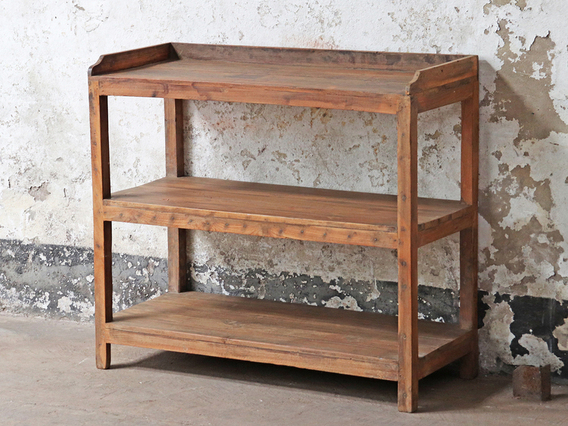
For a place to keep a growing collection, see our guide to buying vintage furniture, and for roleplaying, getting started with Dungeons & Dragons.
Quick checklist
- Player count in the middle of the box range.
- Minimum age that suits your youngest player.
- Playing time that fits your evening.
- Light or medium complexity for new players.
- Language and edition checked.
- Base game, not just an expansion.
Common questions
What is a good first board game for a family?
A short, simple game with little reading, such as a classic like four in a row or backgammon, or a light modern game such as Ticket to Ride or Carcassonne for children around eight and up. Check the age on the box.
What does the age on a board game box mean?
It is the minimum age for which the rules and components are designed. Younger children may still enjoy a game with adult help, but small parts can be a choking risk for under threes.
Do I need the base game for an expansion?
Yes. Expansions add new pieces, maps or rules to a base game and cannot be played on their own. Product titles usually show this, but check the description if unsure.